
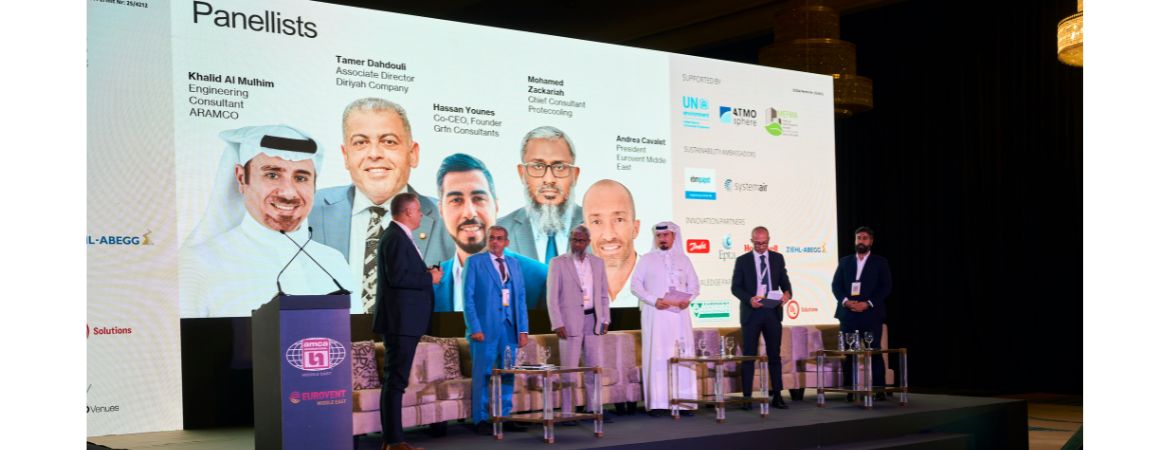
Saudi Projects speaks with Eurovent Middle East’s Markus Lattner on regional growth and performance standards.
As the Kingdom accelerates large-scale development under Vision 2030, ensuring high-performance, energy-efficient HVACR systems has become a critical priority. In this exclusive interview, Saudi Projects sits down with Markus Lattner, Managing Director of Eurovent Middle East, to explore how the organization is shaping standards, certification, and industry awareness across the region.
With extensive international experience and a strong focus on advancing transparency and quality, Lattner shares insights into Eurovent’s mission, its role in supporting regional stakeholders, and the growing importance of compliance in delivering sustainable, future-ready projects across Saudi Arabia.
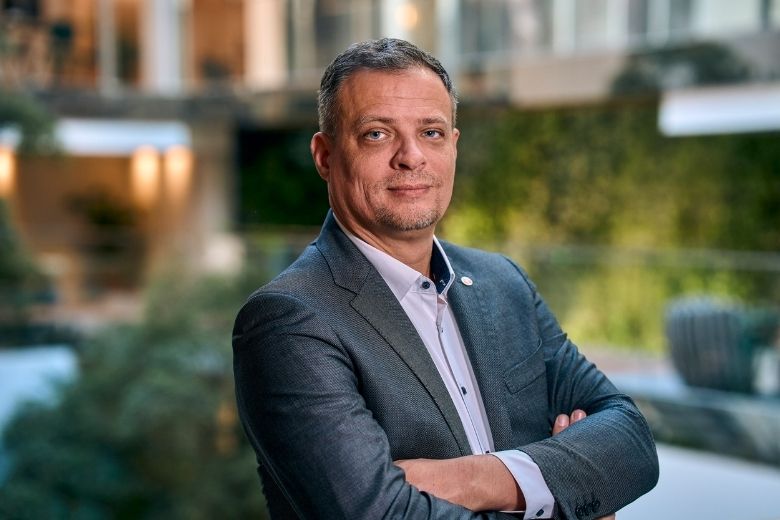
SAUDI PROJECTS: The GCC has led many sustainability initiatives in the past. How important is sustainability especially for the resilience of the region?
MARKUS LATTNER: Sustainability is fundamental to resilience. The fewer resources we rely on, the stronger and more adaptable we become. In a region like the GCC, which is characterised by high temperatures, water scarcity, and heavy energy demand, this becomes even more critical, as resource efficiency is critical to economic stability and quality of life.
Keeping this in mind, there is hardly any aspect of socio-economic life that is not dependent on cooling, ventilation, and refrigeration. From healthcare to food security, the uninterrupted provision of these services is essential to safeguarding daily life and economic activity. There is no resilience without HVACR.
When we consider sustainability and resilience in the context of our industry, three key pillars stand out: energy consumption, refrigerants, and the supply chain.
On energy consumption, the region has made strong progress. The introduction of minimum energy performance standards and other regulatory measures across the GCC is driving more efficient systems and better business practices.
On refrigerants, the region is actively progressing towards lower Global Warming Potential (GWP) alternatives. This transition reflects strong alignment with global sustainability goals, while also ensuring that existing systems continue to be safely and effectively serviced during the transition period.
From a supply chain perspective, the region is becoming increasingly self-reliant. We are seeing a growing presence of both local and international manufacturers producing within the GCC, strengthening industrial capacity and supporting regional resilience.
At the same time, to fully realise this potential, there is a need to continue raising awareness on the long-term benefits of energy efficiency, invest in skills and qualification to support the refrigerant transition, and further strengthen local supply chains. Given the critical role HVACR plays in both sustainability and resilience, addressing these areas collectively remains a key priority for us as an industry association.
SAUDI PROJECTS: What are the biggest challenges currently facing the sustainability and cooling industry?
MARKUS LATTNER: For our sector, the primary focus at present is the supply chain. Like many industries, we are closely monitoring disruptions that could lead to delays, cost pressures, and potential shortages.
Based on regular calls with our members, including ongoing check-ins and market feedback, the overall outlook remains reassuring. The industry is well prepared to navigate the current situation, and to date, no force majeure has been declared on existing contracts.
That said, we are seeing upward pressure on costs, particularly driven by increased shipping premiums. While this is something the industry is managing carefully, it has not translated into any significant disruption in the availability of products or services.
At this stage, we do not anticipate major supply challenges. However, as with any prolonged period of uncertainty, the duration of the situation will be a key factor, and our members continue to monitor developments closely while maintaining flexibility in their operations.
SAUDI PROJECTS: What economic impact and prospects do you foresee?
MARKUS LATTNER: Q1 has been a strong start for our sector, and at this stage, we do not see any immediate indications of a significant shift heading into Q2. Ramadan and Eid are traditionally quieter periods, so a clearer picture will emerge as we move into Q3 and Q4.
The region has demonstrated remarkable resilience in the past. Following both the Global Financial Crisis of 2008 and the COVID-19 pandemic, the GCC rebounded with renewed momentum, emerging stronger each time. This track record gives us strong confidence in the region’s ability to navigate periods of uncertainty.
There is a shared commitment across the region to long-term peace, stability, and prosperity, which continues to underpin economic development and investor confidence.
From a broader perspective, the main area of attention remains the global economic outlook. If current geopolitical tensions are resolved in the near term, we do not anticipate any significant impact. However, if uncertainty persists into the coming months, it may place additional pressure on global markets.
SAUDI PROJECTS: Do you have any advice for our readers? How can people improve their resilience?
MARKUS LATTNER: Advice varies depending on the type of user, but a few core principles apply across the board.
For building owners and operators, the most important step is to ensure that HVACR systems are properly maintained. In the current environment, it is particularly important to check for leaks and ensure refrigerant levels are adequate. Always work with qualified service personnel who can accurately detect and fix issues. If maintenance is frequently requiring refrigerant top-ups, this is usually a sign that the root cause is not being properly addressed.
For businesses and facility managers, planning ahead is key. We always recommend scheduling servicing before the peak season, when demand for maintenance increases and costs can rise. Well-maintained equipment operates more efficiently, which not only improves reliability but also reduces energy consumption and operating costs during the hottest months of the year.
For end users more broadly, awareness plays an important role. The more you understand the systems you rely on, the better equipped you are to use them efficiently and identify potential issues early. Knowledge is power. Taking time to review user manuals or access reliable online resources can make a meaningful difference.
Resilience comes down to preparation, proper maintenance, and informed decision-making and small steps that can have a significant impact over time.
FOR MORE INFORMATION: