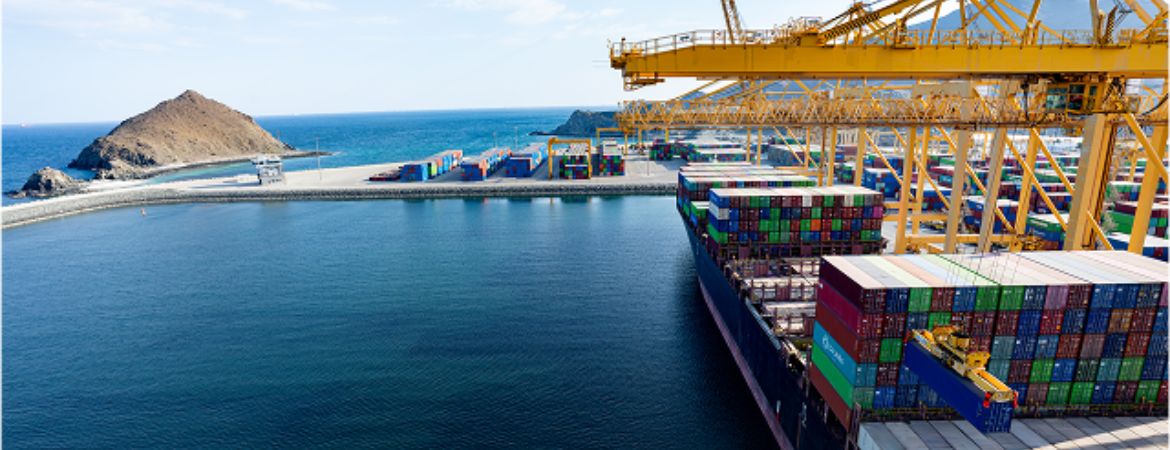
Integrated ports, logistics and digital solutions strengthen regional supply chains and trade connectivity.
For almost five decades, Gulftainer has evolved from a port operator in Sharjah into an international provider of integrated maritime, logistics and supply-chain solutions.
Established in 1976 to manage Sharjah Container Terminal, the company has progressively expanded its capabilities across ports, terminals, inland transportation, warehousing, customs clearance and digital technologies. Gulftainer describes itself as an end-to-end supply-chain and logistics provider with operations spanning the UAE, Saudi Arabia, Iraq and the United States.
Nearly 50 years of maritime and logistics expertise
Saudi Arabia has been an important part of that evolution. Gulftainer entered the Kingdom in 2013 through its majority acquisition of Gulf Stevedoring Contracting Company (GSCCO), taking management responsibility for terminals in Jeddah and Jubail. This established a presence linking the Red Sea and Arabian Gulf and gave the company exposure to two strategically important trade corridors.
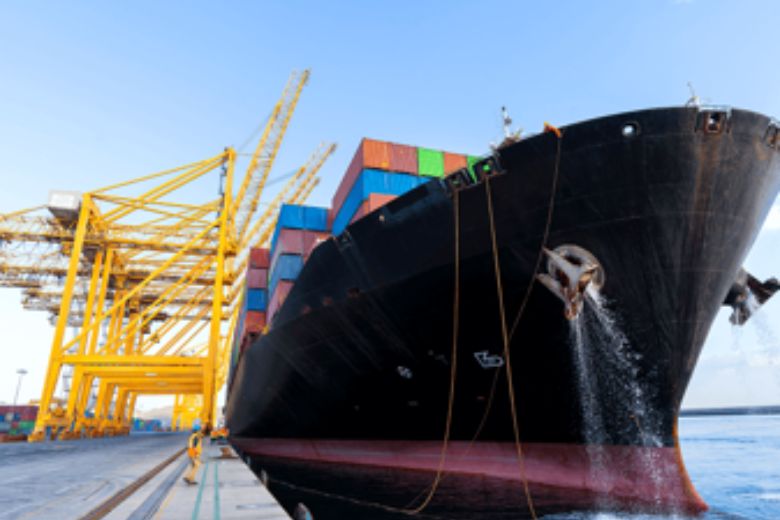
Jubail remains a cornerstone of Gulftainer’s Saudi operations. Jubail’s Commercial Port terminal is positioned near the Kingdom’s major industrial and petrochemical activities and provides an important gateway for cargo moving into the Eastern Province and toward Riyadh. The terminal has an annual container-handling capacity of 1.5 million TEUs and provides services including container freight station operations, warehousing, customs clearance, LCL handling and weighing facilities.
Jubail connects Saudi industry with regional and global markets
The importance of Jubail extends beyond container handling. In 2024, Gulftainer successfully facilitated a rail cargo movement from Jubail to Riyadh, handling 59 import containers and transferring them from vessel operations to Saudi Arabia’s rail network. The operation demonstrated how maritime, road and rail infrastructure can work together to create more efficient inland supply chains. Gulftainer says its subsidiary GSCCO has helped increase Jubail Container Terminal’s capacity from 200,000 TEUs to 1.5 million TEUs since 2010.
Alongside its port activities, Gulftainer’s logistics arm, Momentum Logistics, is developing a broader presence across Saudi Arabia and the GCC. Its services encompass transportation, warehousing, freight forwarding, customs clearance and bonded trucking. In 2025, Momentum expanded its transport capabilities in Saudi Arabia through a partnership with Zahid Tractor involving fuel-efficient Saudi-made Volvo trucks, supporting the company’s focus on operational efficiency and more sustainable transportation.
Across the wider GCC, this integrated approach is becoming increasingly central to Gulftainer’s growth strategy. Its Landbridge solution connects Khorfakkan Commercial Terminal with domestic and regional markets through cross-border road transportation, while its wider logistics network supports cargo movement between ports, industrial areas and inland destinations.
Integrated logistics is reshaping GCC trade connectivity
That regional connectivity forms part of Gulftainer’s latest strategic transformation. In July 2026, the company announced a global trade infrastructure strategy built around four interconnected platforms: GT Ports, GT Logistics, GT Parks and GT Maritime. The strategy includes more than 10 million TEUs of planned future port capacity, 2.3 million TEUs of combined inland logistics capacity, maritime services across strategic trade corridors and an AI-powered digital platform designed to integrate supply-chain management, customer services and digital payments.
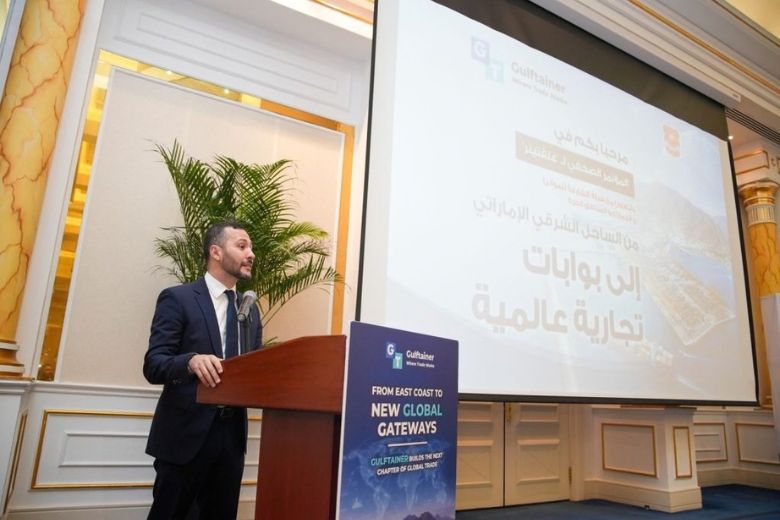
For Saudi Arabia and the wider Gulf, the significance lies in the shift from individual logistics services toward connected trade infrastructure. Ports, inland transport, logistics facilities, industrial ecosystems and digital platforms can collectively reduce friction between different stages of cargo movement, improve visibility and provide businesses with greater flexibility in managing regional supply chains.
Digital infrastructure is becoming central to supply-chain efficiency
Gulftainer’s continued investment in Saudi Arabia therefore sits within a much broader regional model: connecting maritime gateways with inland markets while supporting the infrastructure required for increasingly complex industrial and commercial activity. As the GCC continues to invest in logistics, manufacturing, infrastructure and international trade connectivity, integrated operators such as Gulftainer are positioning themselves to support the physical and digital networks underpinning that growth.
Connect with Gulftainer
Businesses seeking port, logistics, transportation, warehousing, customs or integrated supply-chain solutions can explore Gulftainer’s regional capabilities through its website.
FOR MORE INFORMATION: