DLR Group Master Plan Delivers A Transit-Oriented, Knowledge-Driven Urban Destination In Saudi Arabia.
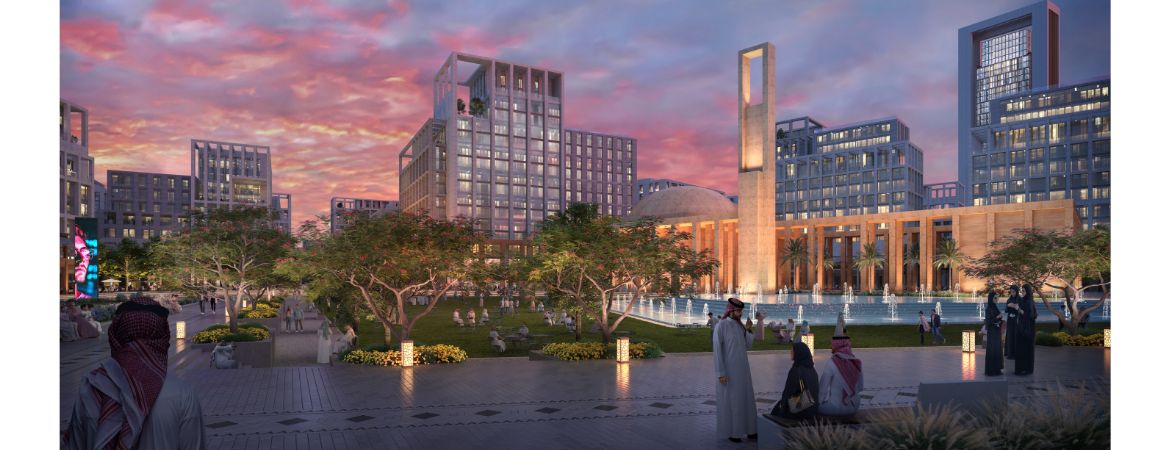
Set across 6.8 million square meters in Madinah, Knowledge Economic City (KEC) is emerging as one of Saudi Arabia’s most ambitious mixed-use urban developments, redefining how cities are conceived, delivered, and experienced. Master planned by DLR Group, the project introduces a forward-thinking model centered on Productive Urbanism by prioritizing innovation, connectivity, and human-centric design over traditional consumption-led development.
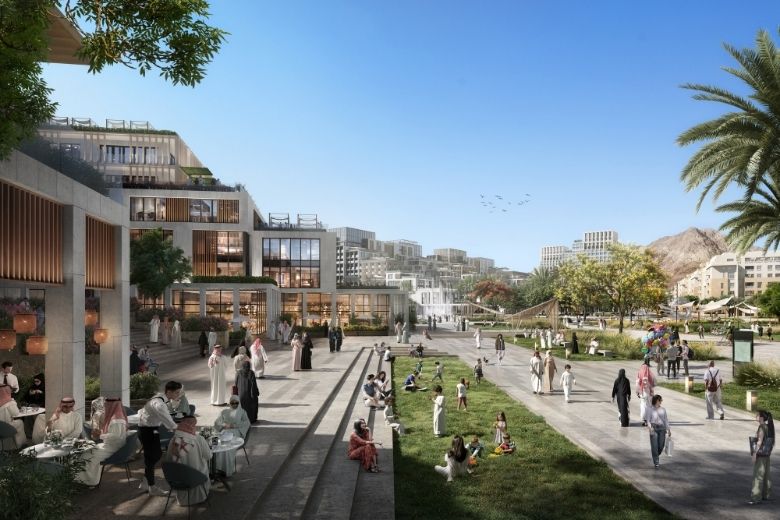
Strategically located near the Prophet’s Mosque and key transport hubs, KEC is designed as a fully integrated, transit-oriented city. Its master plan revolves around the Al-Haramain high-speed rail station, supported by a robust mobility network that includes Bus Rapid Transit (BRT), pedestrian pathways, cycling routes, and EV-enabled infrastructure. More than 20 kilometers of soft mobility corridors promote walkability while reducing reliance on private vehicles.
At its core, KEC is envisioned as a cultural and economic hub that strengthens Madinah’s global position. The development aims to attract millions of pilgrims and visitors annually while fostering knowledge-based industries and international investment. By linking Africa, Asia, and Europe, it positions the city as a vital economic gateway.
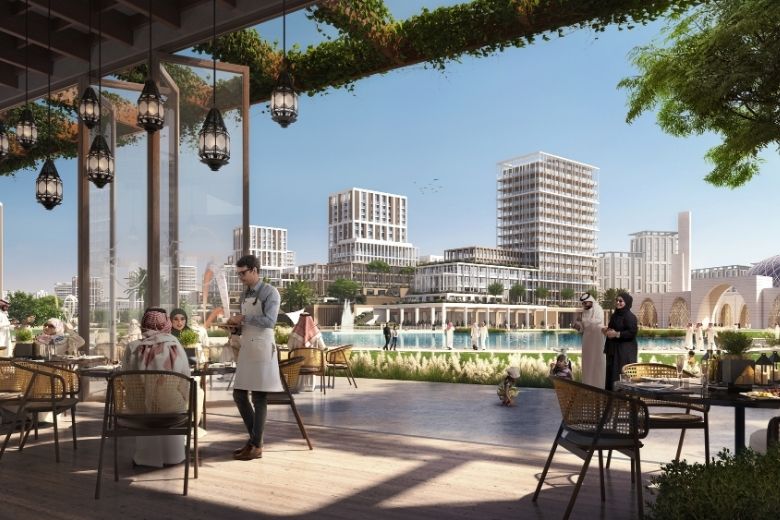
The master plan introduces a series of distinctive districts, each designed to serve a unique purpose. The Islamic World District celebrates heritage and cultural engagement, while Avenue Garden delivers a vibrant retail and lifestyle experience. Madinah Gardens offers tranquil, green spaces, and Madinah Gate establishes a new urban center supporting pilgrims and residents alike.
KEC’s scale is equally impressive, featuring more than 36,000 residential units and over 36,500 hotel keys, alongside 780,000 square meters of commercial, retail, and cultural space. Central parks and interconnected green corridors enhance livability, creating a seamless blend of nature and urban life.
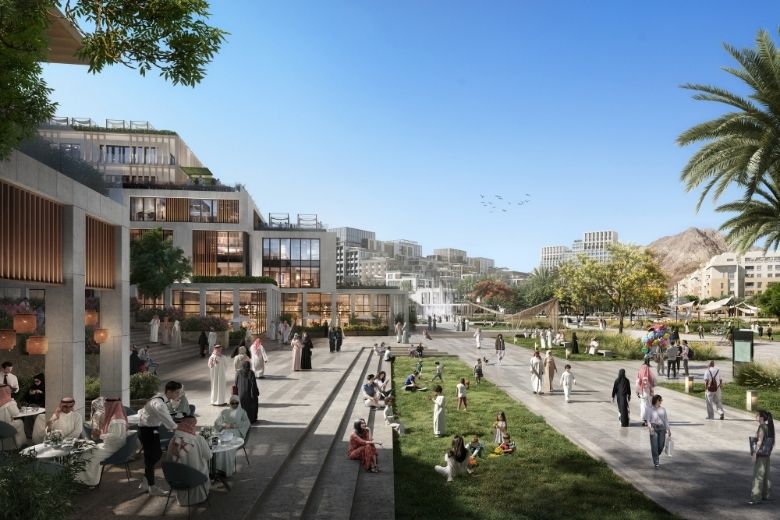
Sustainability and smart city integration are embedded throughout the development. Energy-efficient buildings, renewable energy solutions, and landscape-integrated cooling systems contribute to environmental resilience. Smart mobility hubs, digital corridors, and real-time monitoring systems further enhance operational efficiency and user experience.
With phased completion targeted by 2030, Knowledge Economic City represents a new benchmark for urban development in the Kingdom, one that aligns innovation, livability, and cultural identity within a cohesive, future-ready framework.
FOR MORE INFORMATION: