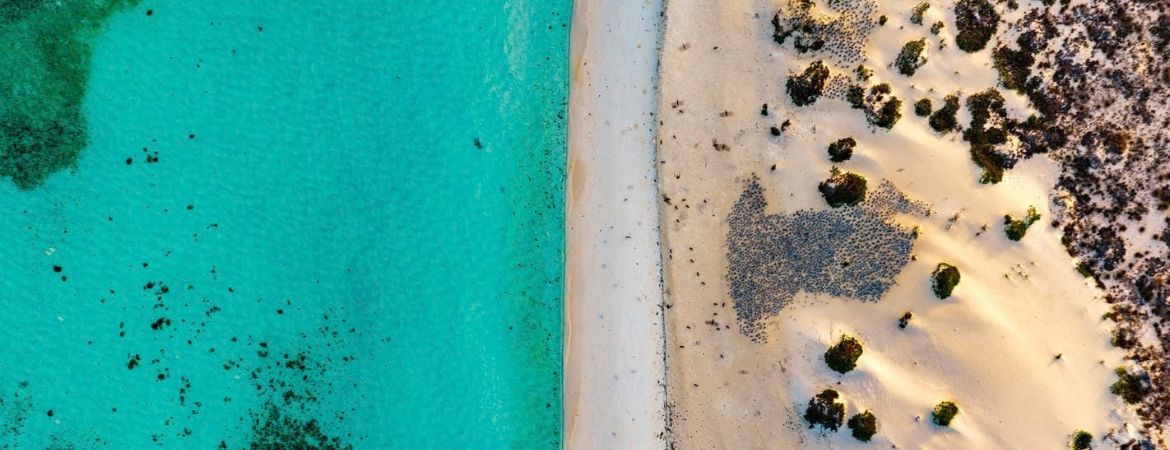
Conservation, restoration and sustainable tourism are reshaping the Kingdom’s natural landscapes.
Saudi Arabia is entering a new era of environmental stewardship, with biodiversity conservation increasingly embedded within the Kingdom’s wider development agenda. At the heart of this transformation is the National Center for Wildlife (NCW), which is leading programs to protect ecosystems, restore habitats, reintroduce native species and create sustainable ways for people to experience the Kingdom’s natural heritage.
NCW’s approach combines scientific research, field monitoring, habitat restoration, protected-area management and partnerships with national and international organizations. Its work supports Saudi Vision 2030 and the ambition to protect 30% of the Kingdom’s terrestrial and marine areas by 2030. Today, more than 65 protected ecosystems are represented across the Kingdom, while NCW reports that more than 10,000 wild animals have been released into their natural habitats through reintroduction programmes.
Restoring Nature Across the Kingdom
Species recovery is one of NCW’s most visible conservation priorities. Through specialist research and breeding centers, the organization develops conservation breeding programs and prepares threatened species for reintroduction into protected areas and national parks.
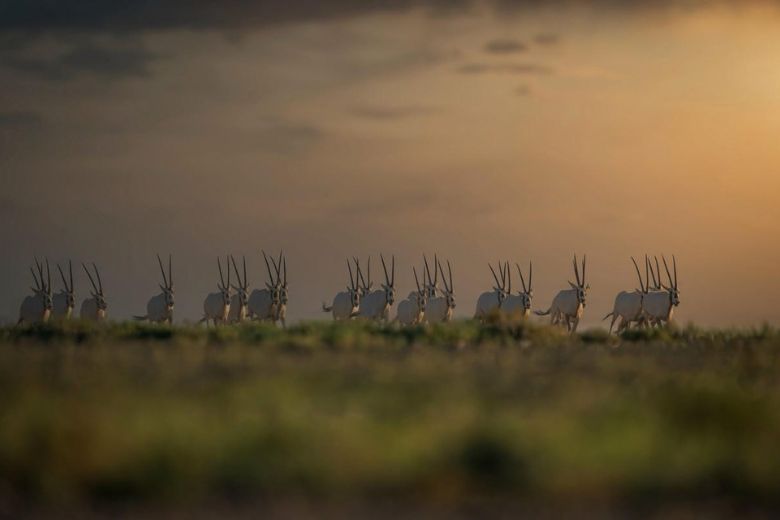
This work extends into some of Saudi Arabia’s most ambitious development regions. In the NEOM Nature Reserve, NCW has collaborated on restoring wildlife populations, with Arabian oryx, gazelles and ibex among species reintroduced to an area spanning approximately 25,000 square kilometers. In 2026, NCW and NEOM also celebrated the first births of striped hyenas following their reintroduction to the reserve — a significant indication that conservation programs can progress beyond release to successful reproduction in restored habitats.
The Center’s Red Sea work similarly demonstrates the importance of collaboration. The Red Sea Decade Expedition brought together more than 80 scientists and researchers and worked alongside institutions including KAUST, King Abdulaziz University and King Fahd University of Petroleum and Minerals, as well as major developments including NEOM, AMAALA and The Red Sea Project. The expedition generated extensive information on coral reefs, seagrasses, marine mammals and other species, creating a stronger scientific foundation for future conservation and sustainable development.
Farasan Islands Lead Marine Conservation Efforts
The Farasan Islands demonstrate the scale and diversity of Saudi Arabia’s natural assets. Located in the southern Red Sea, the protected area covers approximately 5,772 square kilometers and encompasses more than 170 islands. In 2021, it became Saudi Arabia’s first UNESCO Biosphere Reserve.
The archipelago supports mangroves, seagrass meadows, coral reefs and important populations of marine and terrestrial wildlife. It is home to the Kingdom’s largest population of Arabian mountain gazelles, while its surrounding waters support turtles, dugongs, dolphins, whales, sharks, rays and diverse reef communities.
Recent monitoring is also opening new opportunities for responsible wildlife tourism. Repeated sightings of Bryde’s whales are helping NCW identify seasonal patterns and potential locations for carefully managed whale-watching experiences. Farasan has also joined the IUCN Green List of Protected and Conserved Areas, reinforcing its growing international conservation profile.
Mangroves and Sustainable Blue Ecosystems
Mangrove conservation is another important element of Saudi Arabia’s environmental agenda. NCW monitors mangrove systems alongside coral reefs and seagrass meadows, while restoration projects are expanding coastal habitats. In 2025, three million mangrove trees were planted in the Jubail Marine Wildlife Sanctuary in collaboration with Ma’aden, reinforcing the role of mangroves in coastal protection, biodiversity and blue-carbon ecosystems.
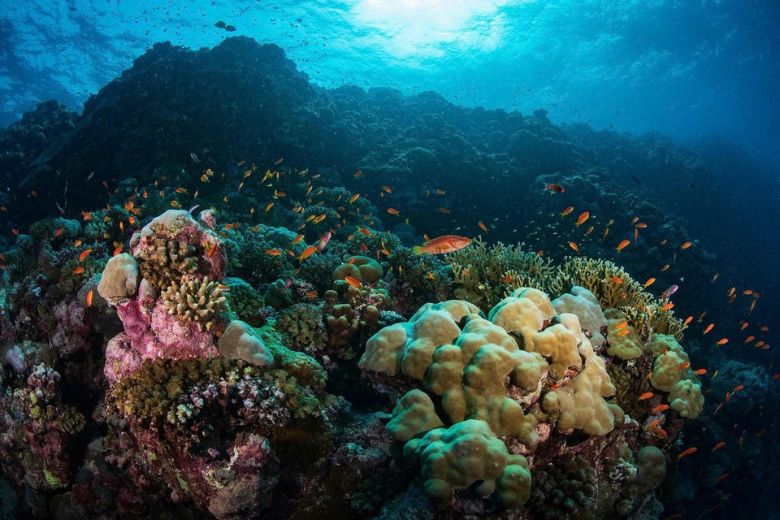
NCW’s international outlook is also evident through scientific cooperation, including its 2025 memorandum with the UK’s National Oceanography Centre covering marine biodiversity, protected-area management and monitoring of species and habitats including mangroves and seagrasses.
From Conservation to Experience
Conservation is increasingly being connected with sustainable tourism. NCW’s ecotourism programme provides visitors with opportunities for hiking, camping, wildlife viewing and marine experiences while applying low-impact principles, controlled visitor access and designated trails.
Future destinations include Taif Safari and Thadiq Safari, alongside wildlife-viewing and birdwatching experiences. The model is designed to ensure that tourism contributes to local communities while encouraging greater public understanding of biodiversity.
One particularly compelling example of the Kingdom’s lesser-known biodiversity is the Asir Garra (Garra buettikeri), an endemic freshwater fish found in mountain wadi systems. In 2026, NCW documented a remarkable mass migration of the species in the Wadi Turabah basin, with fish observed moving collectively toward upper reaches and even climbing wet rock faces near waterfalls. The discovery is strengthening scientific understanding of an endemic species and highlighting the importance of protecting Saudi Arabia’s freshwater habitats.
Protecting biodiversity means safeguarding even the Kingdom’s smallest and least-known species
Together, these initiatives demonstrate a broader shift in Saudi Arabia: conservation is no longer viewed solely as protection from development, but as an essential component of sustainable development itself. Through science, partnerships, restoration and carefully managed tourism, NCW is helping ensure that the Kingdom’s deserts, mountains, wadis, islands and seas remain vibrant ecosystems for generations to come.
Discover Saudi Arabia’s protected natural heritage and explore how responsible tourism can help conserve it for future generations.