
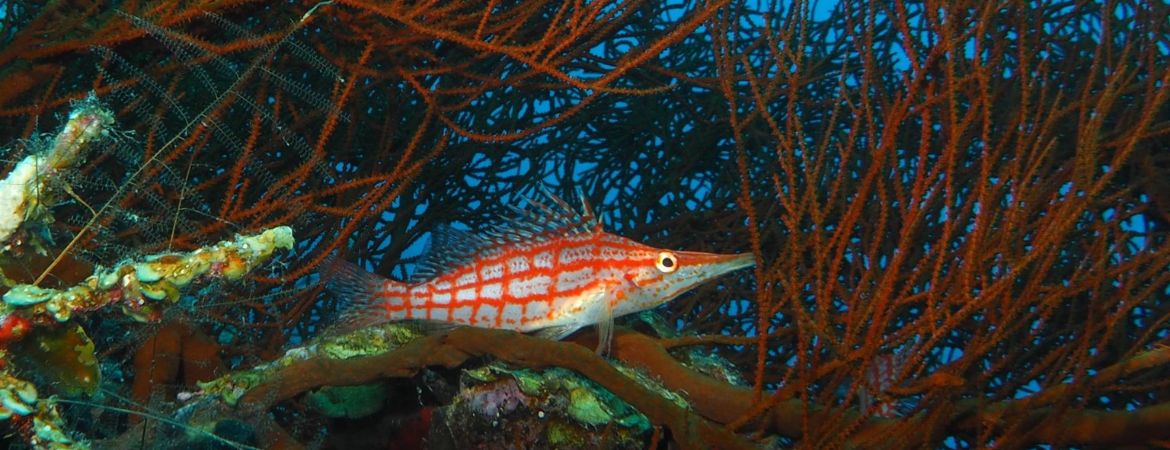
Science-based SIIG model targets 30% net conservation gains across regenerative destinations by 2040.
Saudi Arabia is strengthening its position as a global leader in regenerative tourism following the release of a pioneering environmental framework by Red Sea Global. The developer has published a detailed science-based model designed to deliver a 30% net conservation gain across its destinations by 2040, while making the methodology publicly available for global adoption.
The model will guide environmental management across the company’s flagship developments, including The Red Sea and AMAALA, two large-scale regenerative tourism projects that aim to enhance ecosystems rather than simply reduce environmental impact.
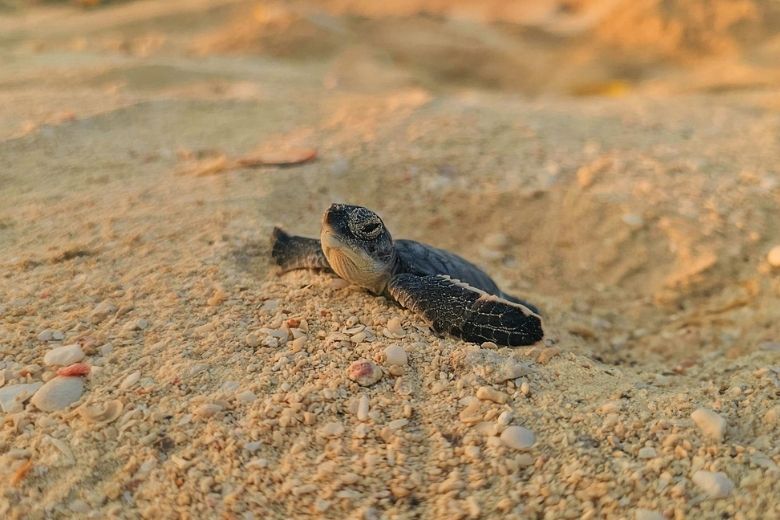
At the core of the framework is the proprietary SIIG Model, a four-stage approach designed to translate sustainability ambitions into measurable ecological outcomes. The methodology follows a structured cycle: Survey, Identify, Intervene, and Gain.
“From the beginning, we set out to make tourism better for people and planet. Today, for the first time, we are revealing in detail how we will achieve a 30% net conservation gain at The Red Sea and AMAALA. In addition, we are sharing our science-based model so that others can replicate our approach and help ensure a better environment for future generations.” John Pagano, Group CEO of Red Sea Global
The first stage focuses on establishing comprehensive biodiversity baselines and monitoring ecological changes over time. The second step identifies key pressures affecting priority habitats and species. Evidence-based conservation actions are then implemented in the intervention stage, while the final phase measures and verifies biodiversity improvements using a dedicated conservation scoring system.
The model is supported by one of the most comprehensive environmental baseline studies ever undertaken in the region. Conducted between 2022 and 2023, the research examined eight marine habitats and priority species groups, providing the scientific data required to guide conservation decisions across the Red Sea coast.
One of the most significant initiatives highlighted in the report is the proposed Al Wajh Lagoon Fishery Management Area, which will span approximately 5,015 square kilometers. Within this zone, 38% of the area will be designated as conservation priority zones protecting around 62% of coral reefs while 61% will support sustainable fishing activities and 1% will be reserved for special management areas.
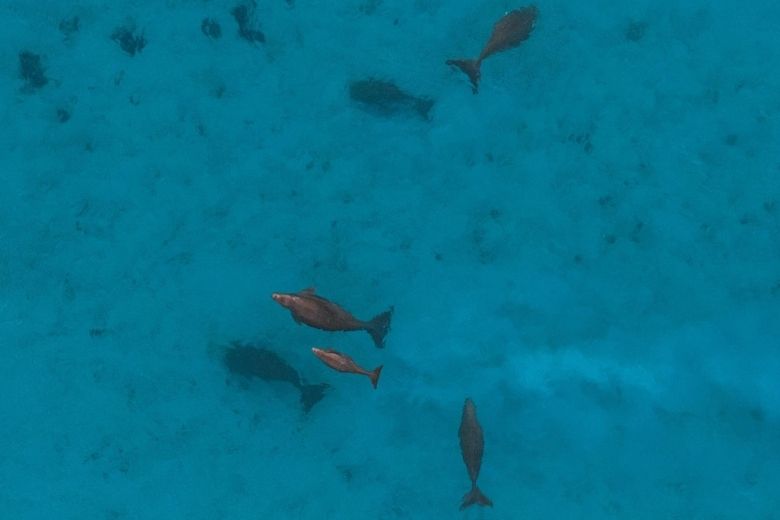
Scientific modeling indicates that removing fishing pressure in highly protected zones could significantly improve marine biodiversity. Projections suggest reef fish populations could increase by 113%, sharks and rays by 72%, and marine mammals by 24%, supporting healthier ecosystems across the region.
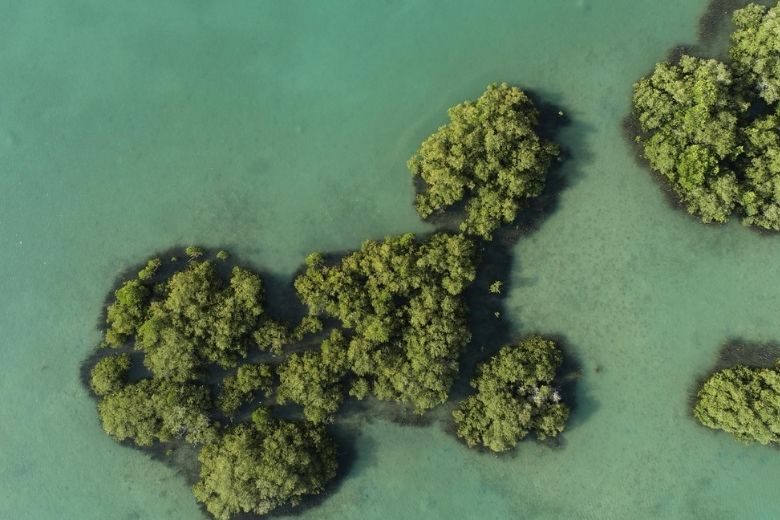
Beyond fisheries management, the framework outlines a range of conservation interventions designed to enhance coral reefs, mangrove forests, seagrass habitats, sea turtle populations, and seabird ecosystems. Restoring natural ecological processes is expected to strengthen coral resilience, reduce habitat damage, and improve conditions for marine wildlife.
The initiative aligns with Saudi Arabia’s broader sustainability ambitions under Vision 2030, demonstrating how tourism development can coexist with and even accelerate environmental restoration. By openly sharing its model with the global community, Red Sea Global hopes to encourage other developers and destinations to adopt science-based conservation strategies.
Ultimately, the publication of the SIIG Model represents a significant milestone for the tourism sector. It illustrates how large-scale development projects can move beyond sustainability toward regenerative outcomes, where environmental health improves over time, creating a blueprint for responsible tourism worldwide.
FOR MORE INFORMATION: