
From Giga Projects To Green Growth, 2026 Marks A Decisive Year For Vision 2030 Delivery.
As Saudi Arabia approaches the midpoint to its Vision 2030 goals, 2026 has emerged as a pivotal year for translating strategy into measurable outcomes. Vision 2030, the Kingdom’s blueprint for economic diversification, societal transformation, and global competitiveness is built around three pillars: a vibrant society, a thriving economy, and an ambitious nation. These themes inform a wide array of initiatives that continue to reshape Saudi Arabia’s growth trajectory.
At its core, Vision 2030 aims to reduce reliance on oil revenues while building a resilient, diversified and globally competitive economy. By 2026, the focus is firmly on scale, speed and integration, ensuring that giga projects, infrastructure networks and emerging sectors move forward in a coordinated and commercially sustainable way.
Giga Projects Driving Global Attention
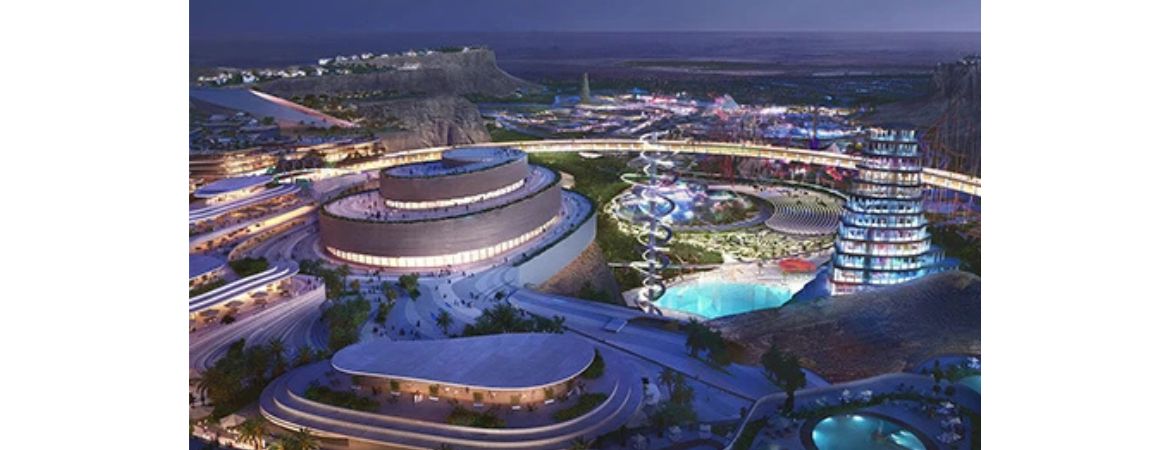
Saudi Arabia’s giga projects remain central to the 2026 agenda. Developments such as NEOM, The Red Sea, AMAALA, Qiddiya, Diriyah Company and King Salman Park are progressing from concept to advanced construction and early operations. These projects are not only redefining urban living, tourism and entertainment, but also setting new benchmarks for sustainability, digital integration and design excellence.

International and regional partners continue to play a critical role. Companies including Bechtel, AECOM, Jacobs, Foster + Partners, DAR, Arup, Buro Happold, and leading Saudi contractors such as Nesma & Partners, El Seif Engineering, Saudi Binladin Group and Al Mabani are collaborating across design, engineering and delivery. Hospitality operators, cultural institutions and mobility providers are also increasingly embedded into master planning at earlier stages.
Infrastructure as an Economic Enabler
By 2026, infrastructure development is expected to accelerate further, supporting population growth, tourism inflows and logistics ambitions. Expansion of airports, ports, highways and rail networks, including metro systems and intercity rail continues to underpin economic diversification.
Projects led by entities such as Saudi Arabian Railways (SAR), Matarat Holding, General Authority of Civil Aviation (GACA) and Saudi Ports Authority (Mawani) are strengthening connectivity across the Kingdom. These investments position Saudi Arabia as a logistics hub linking Asia, Africa and Europe, aligned with the National Transport and Logistics Strategy.
Sustainability Moves from Vision to Standard
Sustainability is no longer a differentiator, it is becoming the default. In 2026, the emphasis is on embedding green technologies and low-carbon practices across construction, utilities and operations. Renewable energy, water efficiency, district cooling and smart waste systems are increasingly integrated at master-planning level.
Developers are working closely with energy and utilities partners such as ACWA Power, EDF, ENGIE, Aramco, SABIC and SWCC to deliver cleaner, more efficient solutions. Sustainable financing mechanisms, including green bonds and sukuk, are also gaining traction, supporting projects that meet environmental and governance criteria.
Digital Transformation and New Delivery Models
A key shift toward 2026 is how projects are being delivered. Digital transformation through BIM, digital twins, AI-enabled project management and smart city platforms is improving coordination, reducing risk and enhancing lifecycle performance.
At the same time, public-private partnerships (PPPs) are expanding, allowing global investors, operators and technology providers to participate more deeply in Saudi Arabia’s growth story. This approach not only diversifies funding sources but also transfers knowledge and operational expertise into the local market.
Talent, Collaboration and Global Opportunity
Behind the physical assets lies a strong focus on people. Talent acquisition, skills development and Saudization remain critical challenges and opportunities. By 2026, closer collaboration between government entities, developers, universities and the private sector is expected to further strengthen local capabilities while attracting international expertise.
For global firms, Saudi Arabia presents significant opportunities, not only as a market but also as a hub for innovation and growth. The country’s strategic location, large population, and government initiatives make it an attractive destination for businesses looking to expand and thrive.
Looking Ahead
As Vision 2030 enters its final phase, 2026 is shaping up to be a defining year where ambition is matched by delivery, and progress is measured by impact. For the Saudi Projects community, it is a time to engage, collaborate and contribute to one of the most transformative national programs underway anywhere in the world.
For more information: