
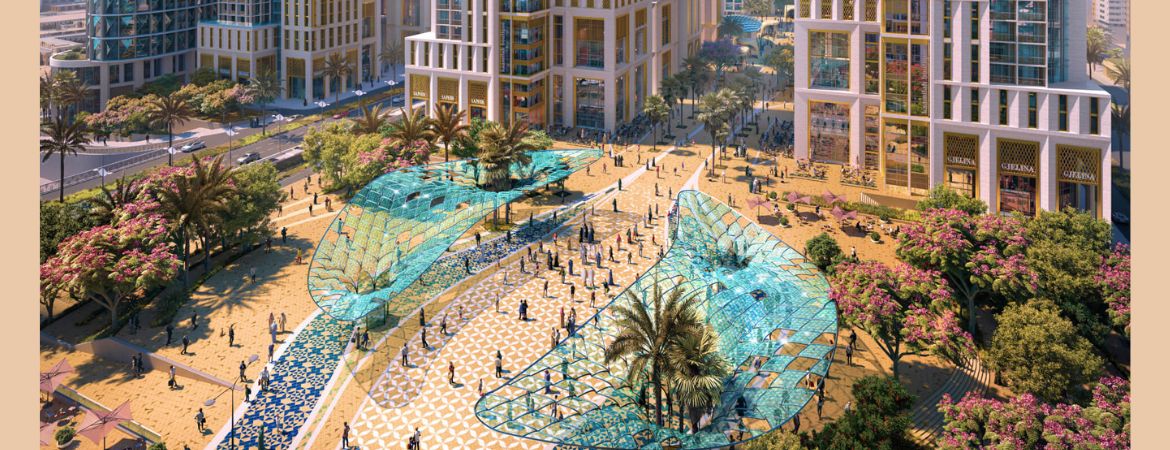
How the Kingdom’s leisure construction is transforming tourism through giga-projects and luxury hotels.
Saudi Arabia is experiencing a profound transformation in its hospitality and leisure construction sector, a central pillar in realizing Vision 2030. For decades reliant on oil, the Kingdom is now fostering a thriving tourism economy by building integrated resorts, pilgrimage infrastructure, and entertainment destinations. This article explores the objectives behind these projects, who is building them, the target markets for the hotels, and the design forces shaping their interiors.
Vision 2030 Objectives and Hospitality Development
At the heart of Saudi Arabia’s Vision 2030 is economic diversification, and hospitality is a key lever. The Kingdom is targeting 310,000 hotel rooms by 2030, backed by nearly US$110 billion in investment.
Mega-projects such as Neom, the Red Sea Project, Qiddiya, and Masar Destination are under construction to attract international tourists, high-net-worth visitors, and pilgrims. For example:
- Masar, adjacent to the Grand Mosque in Mecca, is being developed to host up to 24,000 hotel rooms.
- Rua Al Madinah is planning 47,000 hotel rooms by 2030, primarily to accommodate pilgrims.
- The Red Sea Project envisions luxury island resorts catering to wealthy global travelers.
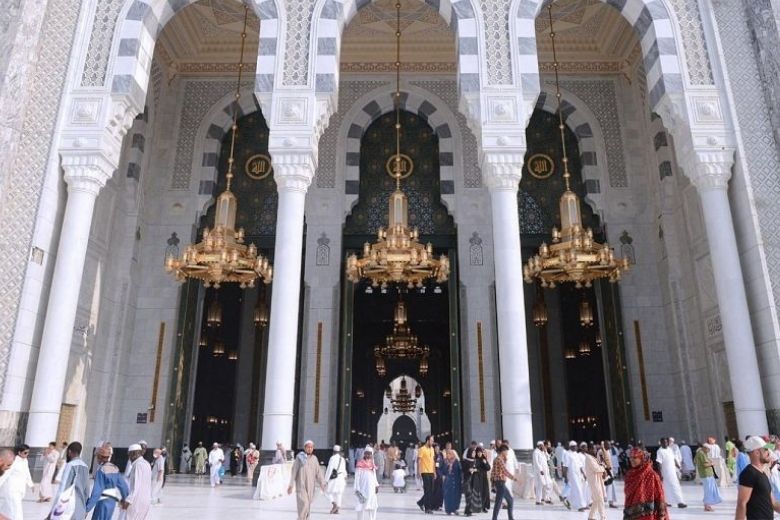
These initiatives strongly support Vision 2030 goals: economic growth, job creation (especially in tourism and construction), and cultural openness.
Major Contractors and Builders
Several major construction firms, both local and international, are driving this hospitality surge.
- Saudi Binladin Group (SBG) plays a central role in many giga-developments.
- Bouygues Construction, the French multinational, is active in major leisure projects like Qiddiya.
- Bechtel is deeply involved in Neom, contributing its expertise in infrastructure, engineering, and project management.
- Red Sea International Company (RSI) has secured contracts with Webuild (Italy) to deliver prefabricated accommodation, including staff camps, modular housing, and amenities at Neom.
- On the design and supervision side, firms like MAB Consulting oversee technical supervision and commissioning for NEOM’s hospitality villages.
Locally, Al-Ula Development Company, wholly owned by the Public Investment Fund (PIF), is transforming the historic city of Al-Ula into a luxury tourism destination. Al Balad Development Company, also PIF-backed, is redeveloping the Jeddah historic district into a cultural-heritage tourism hub.
Interior Design & Decorative Vision
While specific interior design firms for all projects are still emerging publicly, there are notable examples:
- Raffles Makkah Palace, a luxury hotel overlooking the Grand Mosque, was designed by Areen Hospitality, a London-based firm.
- For eco-luxury resorts, many projects emphasize sustainability and local architectural heritage, blending modern design with traditional elements to create a uniquely Saudi aesthetic.
Given the scale and ambition of these developments, international design studios and specialist hospitality interior teams are regularly contracted to deliver high-end finishes, wellness spaces, galleries, and culturally rooted motifs.
Target Audience is Luxury, Pilgrims & Families
The hospitality construction boom targets three main segments:
- Luxury High-Net-Worth Tourists: Many projects, especially along the Red Sea and in Neom, are ultra-luxury resorts aimed at global elite travelers seeking wellness, privacy, and cutting-edge design.
- Pilgrims: Massive developments around Mecca and Medina like Rua Al Madinah and Masar are built to accommodate the millions of Umrah and Hajj pilgrims, with a mix of moderate to premium hospitality.
- Families & Mass-Market Visitors: Integrated destinations like Qiddiya are family-friendly, combining entertainment, sports, and cultural attractions with a range of hotel options.
Saudi Arabia’s hospitality and leisure construction boom is much more than flashy resort development, it is a strategic engine of Vision 2030, designed to reshape the nation’s economic future. With giga-projects built by major global and domestic contractors, and an interior design strategy that balances luxury with cultural authenticity, the Kingdom is positioning itself as a world-class destination for wealthy tourists, spiritual travelers, and families alike. As these developments come online, they will redefine not only how Saudi Arabia hosts its guests, but how the world perceives the Kingdom’s identity and ambitions.