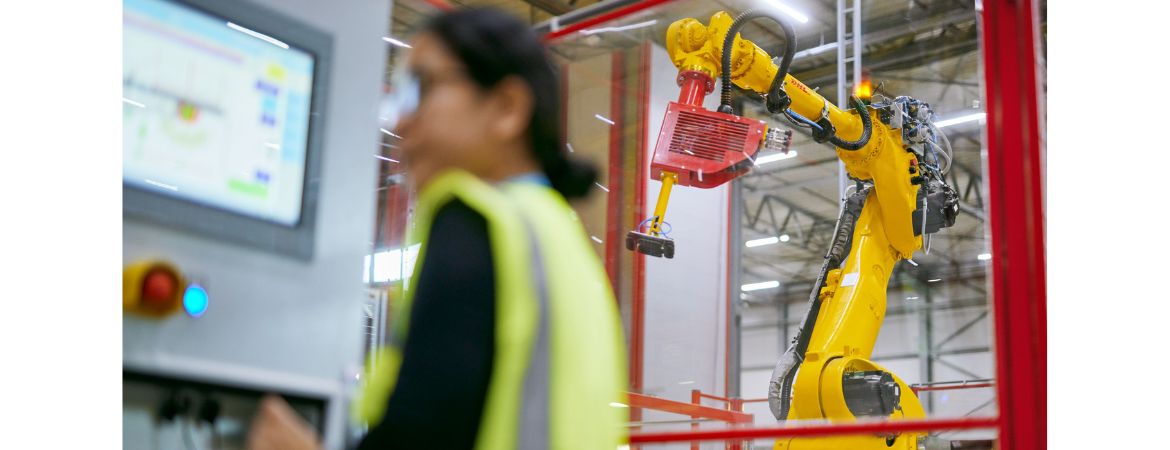
Mostafa Mokdad, shares insights on how Vision 2030 investments are reshaping Saudi Arabia’s logistics landscape.
Mostafa Mokdad is Managing Director of DHL Supply Chain Saudi Arabia, where he leads strategic operations across one of the Kingdom’s fastest-growing logistics markets. With extensive experience in supply chain management and regional logistics transformation, Mokdad plays a key role in aligning DHL’s investments with Saudi Arabia’s Vision 2030 ambitions. His expertise spans infrastructure development, operational efficiency, and digital integration, helping to position the Kingdom as a competitive global logistics hub capable of supporting complex, future-ready supply chains.
Under Vision 2030, the Kingdom of Saudi Arabia is redefining its role in global trade. It is no longer just a destination market, but is becoming a production base, a distribution platform, and a regional gateway connecting Asia, Europe, and Africa. This shift is supported by significant infrastructure investments designed to enable faster, more flexible trade flows, with a direct impact on the Kingdom’s resilience capacity.
Saudi Arabia emerges as critical Gulf logistics gateway
The strategic importance of this transformation has been clearly demonstrated in recent weeks. As geopolitical developments increased complexity across Middle East logistics networks, established transit routes and hubs were temporarily constrained. In response, supply chains across the region had to adjust quickly, activating alternative gateways and transport modes. Saudi Arabia proved critical in this context. When certain airspaces were unavailable for an extended period, Riyadh emerged as a key alternative gateway into and out of the Gulf. Cargo was rerouted via Saudi Arabia, supported by additional cross-border trucking solutions.
At the same time, ocean freight was discharged at alternative ports, including Red Sea gateways, with onward distribution enabled through the regional road network. These shifts were possible because robust underlying infrastructure was already in place, from advanced facilities to strong road connectivity and integrated logistics platforms. This allowed DHL to keep goods moving and continue serving the entire GCC region from the onset of the disruption.
This demonstrates that supply chain resilience is not an abstract concept reliant on a single solution. Rather, it is the result of how infrastructure is planned and deployed. Networks designed with multiple gateways, scalable warehousing, and strong inland connectivity can adapt, even under pressure. This success is further supported by well-coordinated collaboration between government entities and the private logistics and transport sector in the Kingdom.
Infrastructure investment underpins supply chain resilience
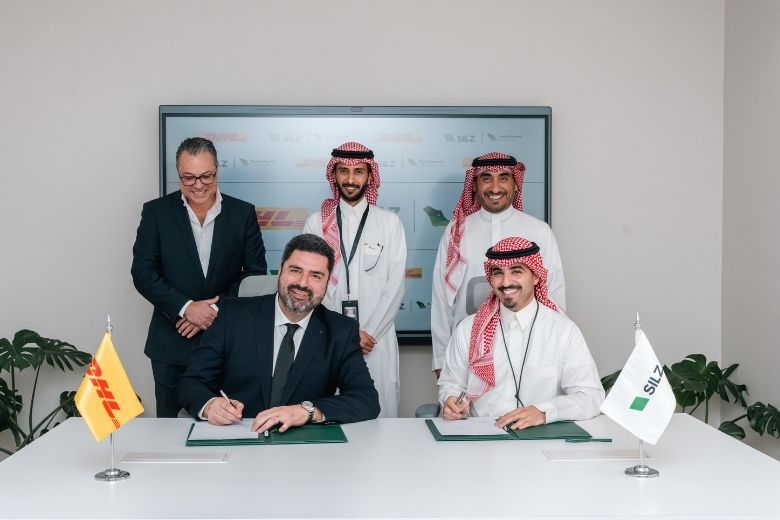
At DHL Supply Chain, our long-term commitment to Saudi Arabia reflects this reality. We are investing ahead of demand to support the Kingdom’s ambitions and the needs of customers operating here. A central pillar is our SAR561 million investment in the Special Integrated Logistics Zone (SILZ) in Riyadh, announced late last year. Located near King Khalid International Airport, the advanced multi-user warehouse is built for scale and flexibility, serving multiple industries while enabling fast inbound and outbound flows.
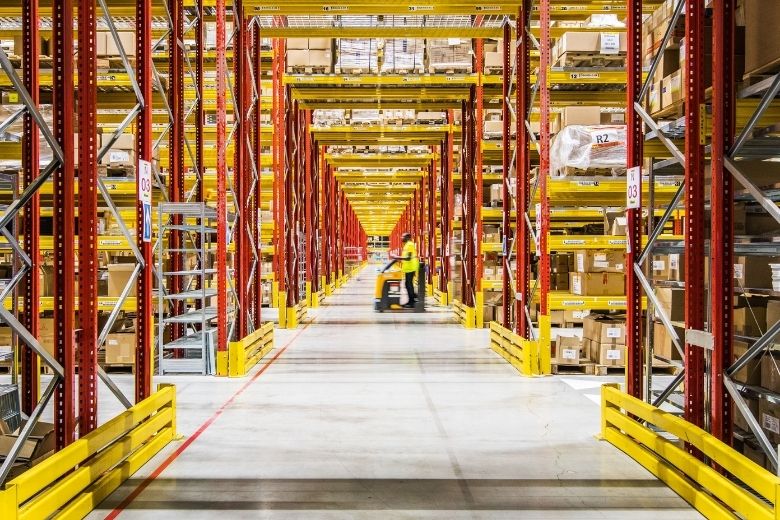
SILZ investment boosts scalable, future-ready logistics capacity
The lesson is clear: resilience is built before disruption occurs. In Saudi Arabia, the combination of pace, scale, and long-term planning is creating a logistics ecosystem designed not only for growth, but for continuity. Beyond physical infrastructure, digital capabilities are critical enablers from real-time visibility to coordinated decision-making. With advanced, integrated solutions in place, supply chains gain the agility needed to operate in a more volatile world. For companies, Saudi Arabia offers more than capacity; it provides a future-ready platform that supports resilience today while enabling sustainable growth for years to come.
FOR MORE INFORMATION: