The hidden factor reshaping premium living and hospitality experiences in Saudi Arabia.
For decades, luxury real estate has been defined by what buyers and guests can immediately see: location, architecture, materials, finishes and space. But as Saudi Arabia develops a new generation of premium residential and hospitality destinations, another layer of the experience is becoming just as important, how the building performs once people actually use it.
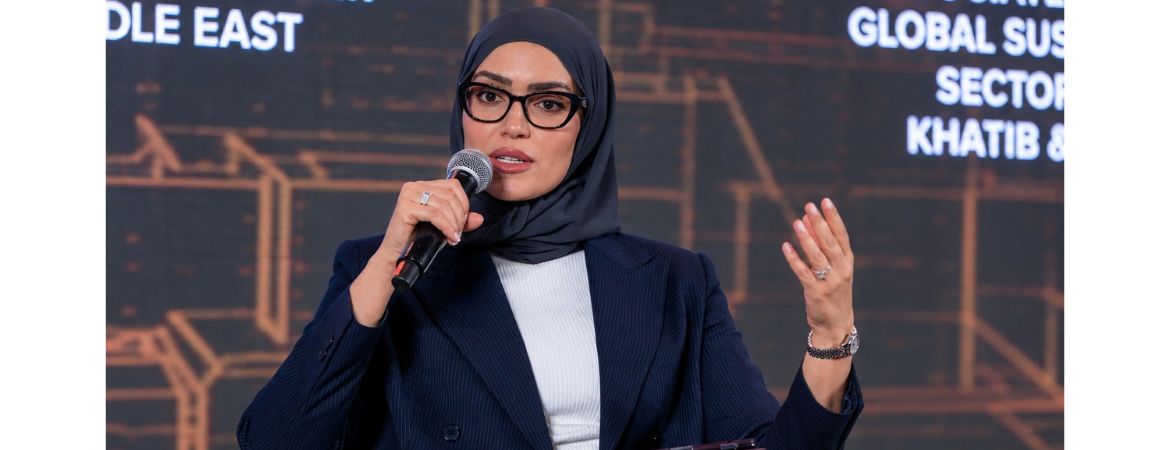
For Ekbel Selmi, Regional Specification Manager at GF Middle East, this is changing the conversation around what luxury really means. “Some of the most important contributors to a luxury experience are completely invisible,” Ekbel says. “It’s the acoustic comfort that allows you to enjoy your home in peace. It’s water arriving at the right temperature, with the right pressure, every time.”
It represents an important shift in the way premium developments are being conceived.
Developers and consultants are increasingly looking beyond upfront cost and minimum compliance. Lifecycle performance, operational efficiency, water quality, occupant wellbeing and long-term asset value are becoming part of the specification conversation. Reliability matters too: reducing leaks, maintenance requirements and disruption can directly influence the experience of residents and guests long after handover.
Luxury needs to enter the engineering conversation earlier
This changing definition also affects how projects are designed.
Specialist suppliers have traditionally entered the process after many architectural and design decisions have already been made. Bringing developers, designers, consultants, contractors and manufacturers together earlier can help projects balance four priorities that are sometimes treated as competing objectives: design ambition, performance, sustainability and commercial viability.
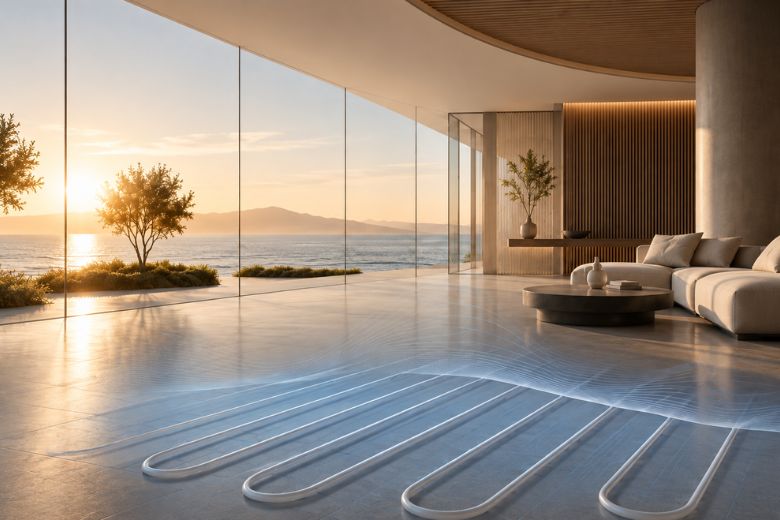
GF Radiant Cooling is one example. By delivering thermal comfort through building surfaces, radiant systems can provide architects with greater design freedom than solutions dependent entirely on conventional air-conditioning. However, achieving that potential requires early coordination of floor build-up, controls, humidity management, finishes and piping infrastructure.
As Ekbel explains: “The earlier you bring performance into the design conversation, the less you have to compromise the design later.”
From day-one luxury to lifetime luxury
Perhaps the bigger change is the timeframe against which luxury is being judged.
Ekbel identifies three areas that will become increasingly important: performance, transparency and longevity.
Future specifications will increasingly need to demonstrate measurable outcomes, from acoustic and hydraulic performance to durability and water efficiency. At the same time, questions around environmental impact, material origins, maintainability and end-of-life considerations are becoming more relevant to long-term asset planning.
For developments expected to retain their premium positioning for decades, day-one performance is no longer enough. Buildings need to be designed with maintenance, upgrades and future requirements in mind.
The result is a more sophisticated definition of luxury: one where exceptional architecture and design are supported by systems engineered to perform quietly and reliably in the background.
As Ekbel puts it: “Luxury will demand products that are beautiful where they need to be, invisible where they can be, and exceptional in performance everywhere.”
For Saudi Arabia’s next generation of premium developments, that invisible performance could become one of the clearest measures of lasting luxury.
FOR MORE INFORMATION: